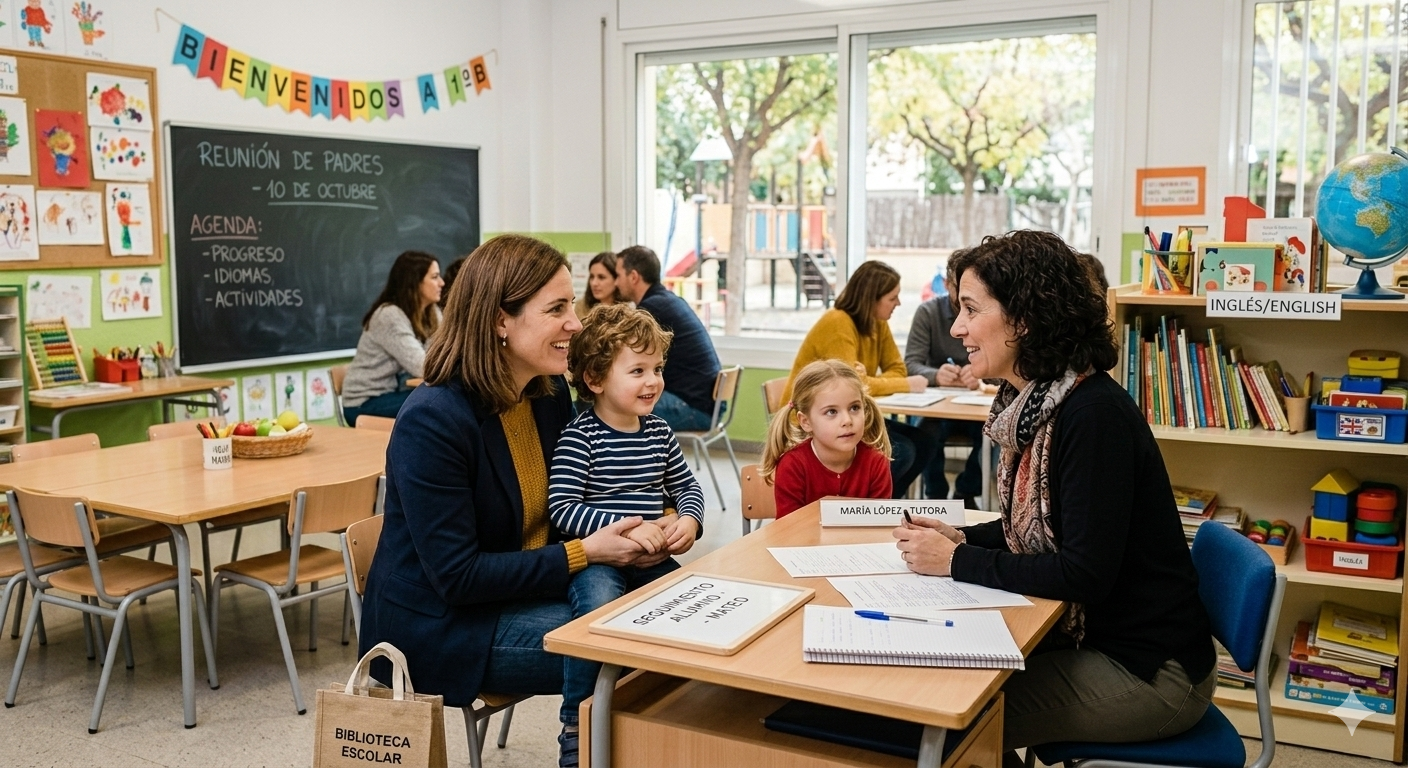
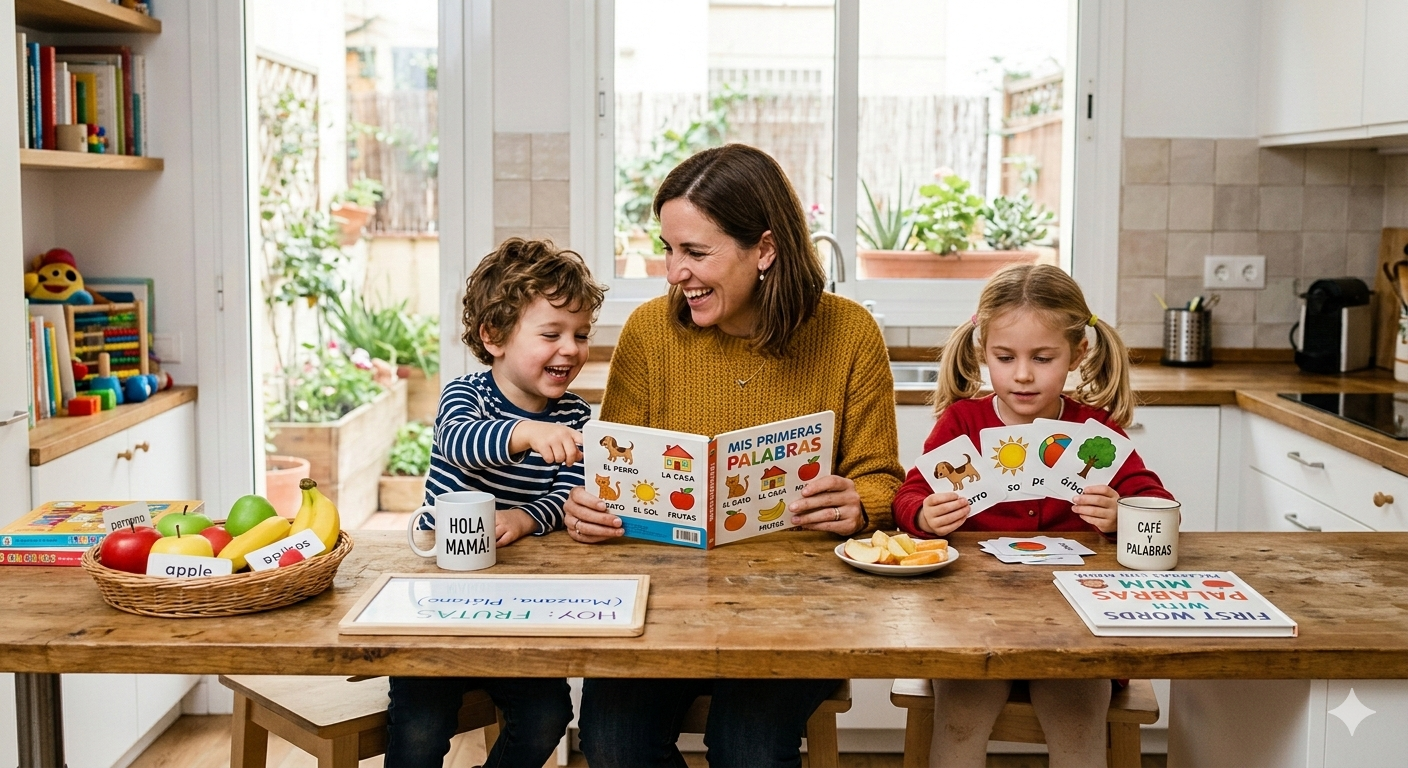
For many expat mums living in Spain, parent–teacher meetings can feel intimidating. Even if your Spanish is good enough for daily life, discussing your child’s academic progress, behaviour, or learning difficulties in another language can quickly become overwhelming.
The Spanish education system has its own communication style, vocabulary and expectations, which can make these meetings feel even more stressful. The good news is that with a little preparation, you can handle them with confidence and turn them into a positive experience for both you and your child.
In this guide, we’ll share practical tips to help expat mums survive and even succeed in parent–teacher meetings in Spanish schools.
Understand how parent–teacher meetings work in Spain
In Spain, these meetings are usually called “tutorías” and are often held with the child’s main teacher or tutor. Unlike some countries where meetings are highly structured, Spanish meetings can feel more conversational and informal.
Teachers typically discuss:
- Your child’s academic progress
- Behaviour and participation in class
- Social integration with classmates
- Any areas where your child might need support
Understanding that these meetings are designed to build collaboration between parents and teachers can help reduce anxiety.
Prepare a few key Spanish phrases in advance
Even if you speak Spanish, it’s helpful to prepare a few education-related phrases before the meeting. This can make communication smoother and prevent misunderstandings.
Some useful examples include:
- ¿Cómo va mi hijo/a en clase? – How is my child doing in class?
- ¿Tiene dificultades en alguna asignatura? – Are they struggling in any subjects?
- ¿Cómo se comporta en clase? – How is their behaviour in class?
- ¿Hay algo que podamos mejorar en casa? – Is there something we can improve at home?
Preparing questions in advance will help you stay focused and ensure you leave the meeting with clear information.
Don’t worry if your Spanish isn’t perfect
Many expat mums feel embarrassed about speaking imperfect Spanish during school meetings. However, most teachers appreciate the effort and understand that Spanish is not your first language.
If you don’t understand something, it’s perfectly acceptable to say:
- ¿Podría repetirlo más despacio? – Could you repeat that more slowly?
- ¿Puede explicarlo de otra manera? – Could you explain it another way?
Clear communication is more important than perfect grammar.
Take notes during the meeting
Parent–teacher meetings often include a lot of information. Taking notes helps you remember important details about your child’s progress and any recommendations the teacher gives.
It can also be useful to write down:
- Homework expectations
- Behaviour observations
- Areas where your child needs improvement
- Upcoming school activities or evaluations
Having these notes later can help you support your child more effectively at home.
Follow up if necessary
If something wasn’t clear during the meeting, don’t hesitate to follow up afterwards. Many Spanish schools communicate with parents via:
- School apps
- The school agenda (notebook used for communication)
Teachers generally appreciate proactive parents who want to stay involved in their child’s education.
Final thoughts
Parent–teacher meetings in Spain can feel intimidating at first, especially for expat mums navigating a new language and school system. However, with preparation, patience and open communication, these meetings can become a valuable opportunity to support your child’s development.
Remember: teachers are usually on your side. Their goal is the same as yours helping your child succeed and feel happy at school.
Frequently Asked Questions about Parent–Teacher Meetings
What is a parent–teacher meeting?
A parent–teacher meeting is a conversation between a child’s parents and their teacher to discuss the student’s academic progress, behaviour and overall development at school. These meetings help parents understand how their child is performing in class and allow teachers to share feedback or recommendations. In Spain, these meetings are often called “tutorías” and usually take place with the main class tutor.
What is the 70/30 rule in teaching?
The 70/30 rule in teaching refers to a classroom approach where students are expected to participate actively during most of the lesson. Ideally, students should be engaged in learning activities about 70% of the time, while the teacher speaks or explains concepts for roughly 30% of the time. This method encourages interaction, critical thinking and student participation.
Which one is correct: parent-teacher meeting or parent teacher meeting?
Both expressions are used, but “parent-teacher meeting” with a hyphen is generally considered the most correct and common form in written English. The hyphen connects the two words to describe the type of meeting, making it clearer that it involves both parents and teachers.
What is another name for a parent–teacher meeting?
A parent–teacher meeting can also be called a parent conference, teacher conference, or school conference. In some schools it may also be referre