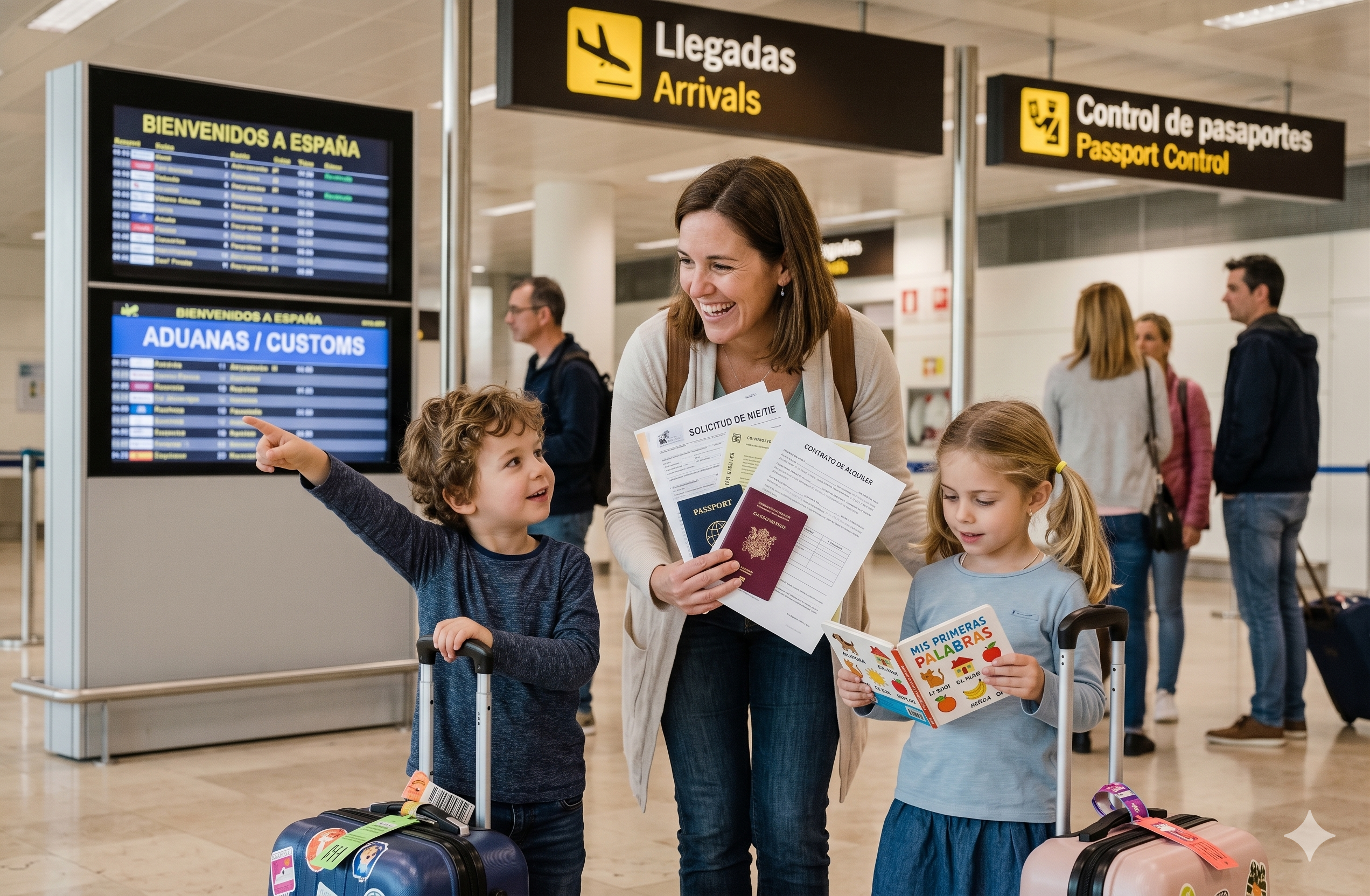
Moving to Spain with children can be an exciting adventure, but many expat mums quickly discover that Spanish bureaucracy can feel overwhelming. From registering at the town hall to applying for healthcare cards and enrolling children in school, the number of administrative steps can be confusing.
Understanding the main processes and knowing what documents you need can make life much easier. In this guide, we’ll explain the most important bureaucratic steps expat mums face when settling in Spain.
Registering on the padrón
One of the first things you will need to do after moving to Spain is register on the padrón, the municipal register that confirms where you live.
This registration is essential because many other procedures depend on it, including:
- Access to public healthcare
- School enrolment for children
- Local administrative services
To register, you usually need:
- Passport or ID
- Rental contract or proof of address
- Sometimes documentation for family members
Although the process is generally straightforward, requirements can vary slightly depending on the municipality.
Applying for the health card (Tarjeta Sanitaria)
Once registered on the padrón, the next important step is obtaining the Spanish public healthcare card, known as the Tarjeta Sanitaria.
This card allows you and your children to access the Spanish public healthcare system, including:
- GP appointments
- Paediatric care
- Hospitals and specialists
Parents will typically need:
- Identification documents
- Social security registration (if applicable)
- Padrón certificate
For many expat families, this step is particularly important because it ensures children have access to healthcare services.
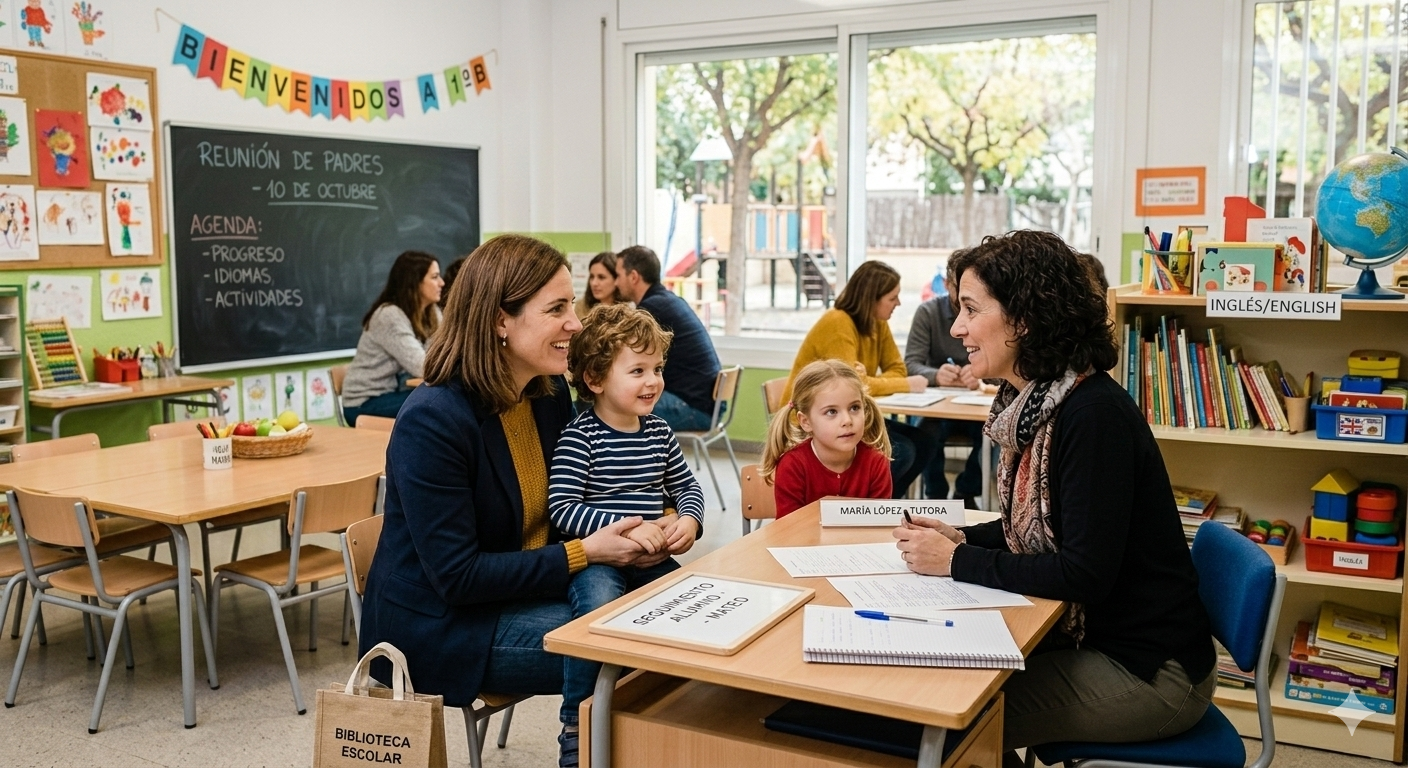
Enrolling your child in school
School enrolment in Spain can vary depending on whether you choose:
- A public school (colegio público)
- A semi-private school (colegio concertado)
- A private international school
Public school applications usually follow a specific enrolment period, often in spring for the following academic year. Families must submit documentation such as:
- Proof of residence
- Child’s passport or ID
- Vaccination records
- Previous school records (if applicable)
Because places can be limited in certain areas, it’s recommended to start the process early.
Tips to make Spanish bureaucracy easier
Many expat mums feel overwhelmed by the number of administrative steps involved when settling in Spain. However, a few practical tips can make the process much smoother.
Some helpful strategies include:
- Always bring copies of your documents
- Keep digital scans of important paperwork
- Ask for help at local town halls or information offices
- Be patient some processes simply take time
Understanding that bureaucracy works differently in Spain can help reduce frustration.
Final thoughts
Navigating Spanish bureaucracy as an expat mum may seem complicated at first, but once the essential steps are completed registering on the padrón, obtaining health cards and enrolling children in school everyday life becomes much easier.
Taking the time to understand these processes will help your family settle more comfortably and allow you to focus on enjoying your new life in Spain.
Frequently Asked Questions About Moving to Spain as an Expat
What is the 2 year rule in Spain?
The “2 year rule” in Spain usually refers to the reduced residency requirement for citizenship available to people from certain countries, particularly Latin American nations, as well as citizens of the Philippines, Equatorial Guinea and Portugal. These residents can apply for Spanish citizenship after two years of legal residence, instead of the standard ten years required for most nationalities.
Why do 73% of American expats leave Spain?
Many American expats return home or move elsewhere due to challenges such as bureaucracy, language barriers, job opportunities or administrative processes. While Spain offers a great lifestyle, navigating legal paperwork, healthcare registration, residency requirements and school enrolment can sometimes feel complicated, especially during the first years of living in the country.
What are the biggest mistakes when moving to Spain?
One of the most common mistakes when moving to Spain is not understanding the administrative steps required after arrival. Many expats underestimate the importance of registering on the padrón, organising documentation or learning basic Spanish for dealing with local institutions. Another common mistake is leaving important procedures like healthcare registration or school enrolment until the last minute.
Why are expats leaving Spain?
Although many expats enjoy living in Spain, some decide to leave due to employment opportunities, visa limitations, bureaucracy or family reasons. For some families, adapting to a new language, navigating administrative processes or finding the right school system can also influence the decision to relocate again.